

Written by IA, IO Nguyen Phuoc Trung
The ASEAN+ Age Group Chess Championships is the signature event of the ASEAN Chess Confederation (ACC), bringing together young players from ASEAN member federations as well as participants from countries and territories beyond Southeast Asia. First held in 2000, the championship has developed into one of the longest-running and most important regional chess events in Asia.
 1st ASEAN Age Group Opening Ceremony
Initially, the tournament was known as the ASEAN Age Group Chess Championships and was open only to players from ASEAN countries. The inaugural championship was held in Vung Tau City, Viet Nam, in 2000, with 155 players representing seven federations.
By the 8th edition in 2007, the championship had opened its participation to players from outside ASEAN and adopted the name ASEAN+ Age Group Chess Championships, which it has retained ever since. This marked an important step in the development of the championship from a Southeast Asian competition into a broader regional event.
The championship continued to grow in both participation and geographical reach. The 16th edition in Singapore in 2015 established a then-record field of 448 players from 16 federations. By the 20th edition in Mandalay, Myanmar, in 2019, participation had grown to more than 400 players.
The 15th edition in Macau in 2014 marked another important milestone: it was the first time the championship was organised outside the ASEAN region. The Macau edition brought together players from ASEAN and a substantial number of federations from beyond Southeast Asia, firmly establishing the international character of the ASEAN+ championship.
Over the first two decades, the championship welcomed players from a wide range of countries and territories. The participating federations included the ASEAN countries of Brunei, Indonesia, Laos, Malaysia, Myanmar, the Philippines, Singapore, Thailand and Viet Nam, together with federations and territories from outside ASEAN such as Australia, Bangladesh, China, Denmark, Fiji, Hong Kong, India, Iran, Japan, Kazakhstan, Kyrgyzstan, South Korea, Macau, Mongolia, Nepal, New Zealand, Pakistan, Russia, Switzerland, Tajikistan and Chinese Taipei.
In 2026, Singapore hosted the 24th edition and set a new participation record for the championship, with 738 players from 26 federations. It became by far the largest edition of the ASEAN+ Age Group Chess Championships in its history.
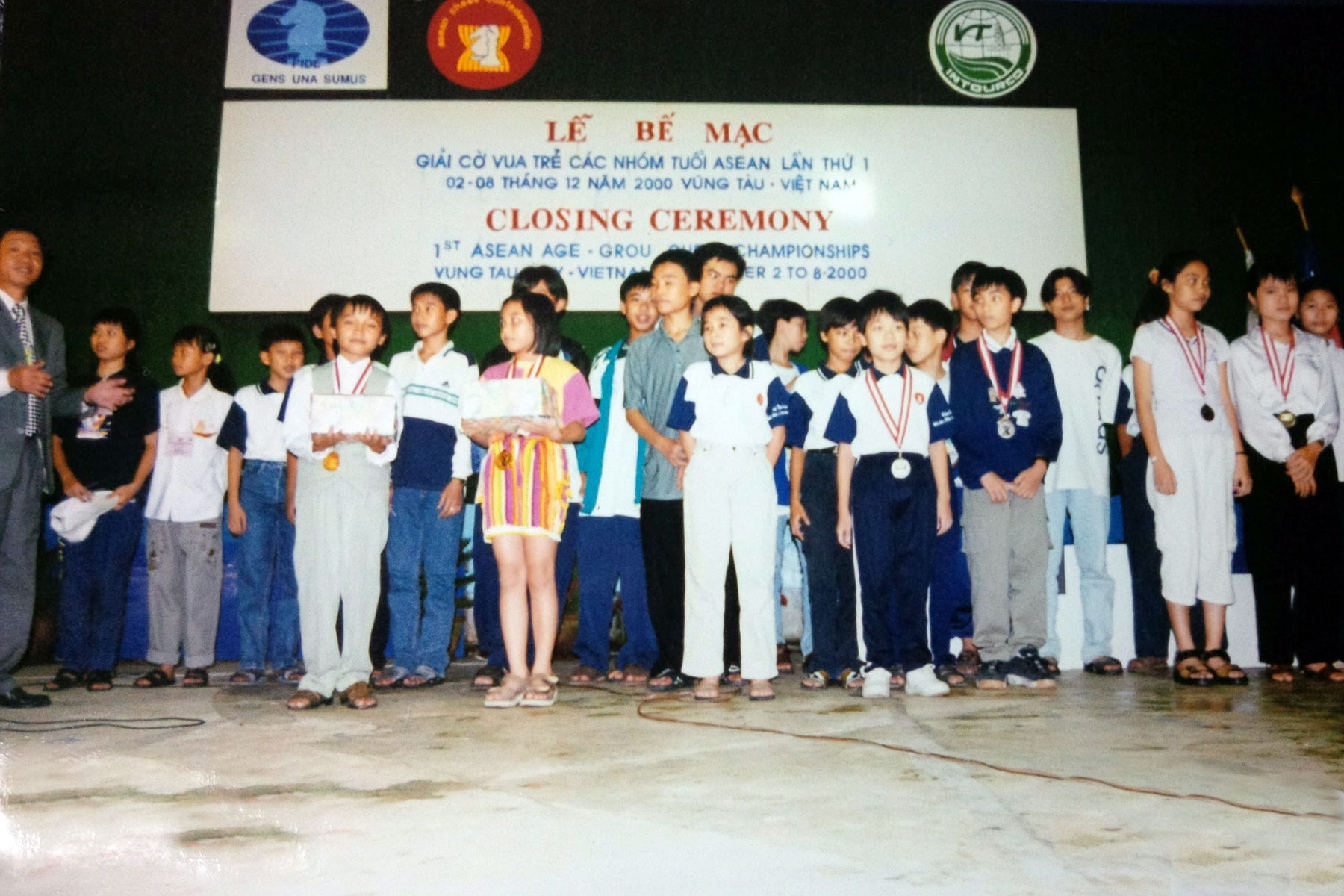 1st ASEAN Age Group Closing Ceremony
The inaugural championship in 2000 consisted of individual Standard Chess competitions conducted using the Swiss System or Round Robin, depending on the number of participants in each category.
From the 2nd edition, the championship continued to use the Swiss System or Round Robin format. Team standings were determined from the results of the leading players representing each federation. A specific rule was also introduced for individual medals: “Where there is a tie, not more than 3 players will receive the same colour medal. For each category, not more than 5 medals will be awarded.”
From the 5th edition in 2004, Rapid Chess and Blitz Chess were added to the programme, with individual and team medals. The championship consequently developed into a multi-format competition, giving players opportunities to compete for honours in Standard, Rapid and Blitz Chess.
The championship also developed an important relationship with FIDE. From the 4th edition in 2003, the Standard competitions were submitted for FIDE rating calculation, with the results appearing in the April 2004 rating list. Direct FIDE titles were also introduced from the 4th edition, adding another important dimension to the championship and creating title opportunities for successful players.
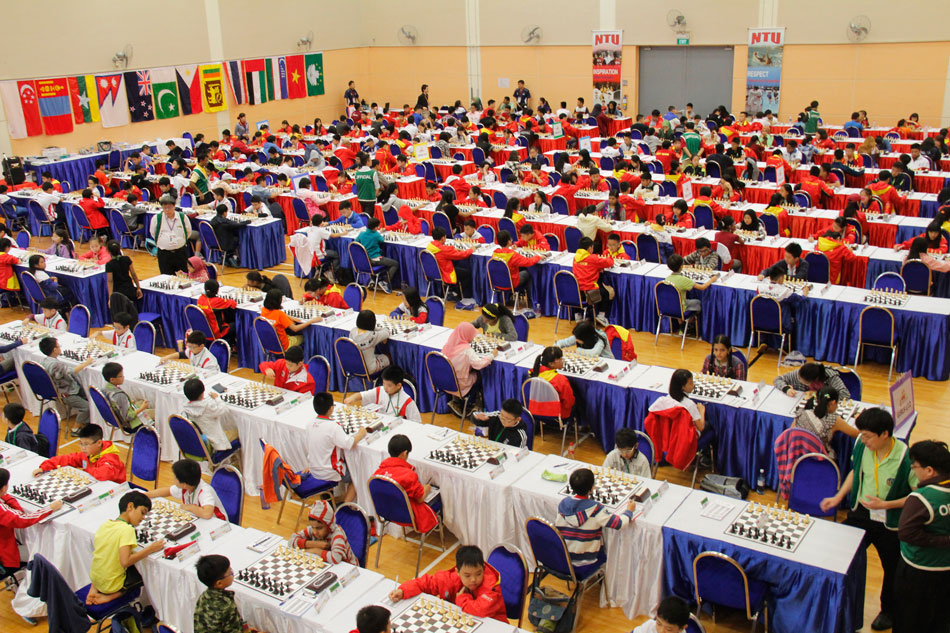 16th ASEAN+ Age group in Singapore 2015. The largest number of participants.
In 2000, the tournament had ten categories: Boys and Girls U10, U12, U14, U16 and U18.
From 2001, the tournament added two more categories: Boys and Girls U8.
From 2007, the tournament added the Seniors 50 category, while the boys' age groups were renamed Open categories.
Between 2009 and 2012, the U18 and U20 age groups were combined into Open 20 and Girls 20. In 2013, the ACC reintroduced the separate Open and Girls U18 categories.
From 2014, the tournament added the Seniors 65 category, further expanding the programme beyond the traditional junior age groups.
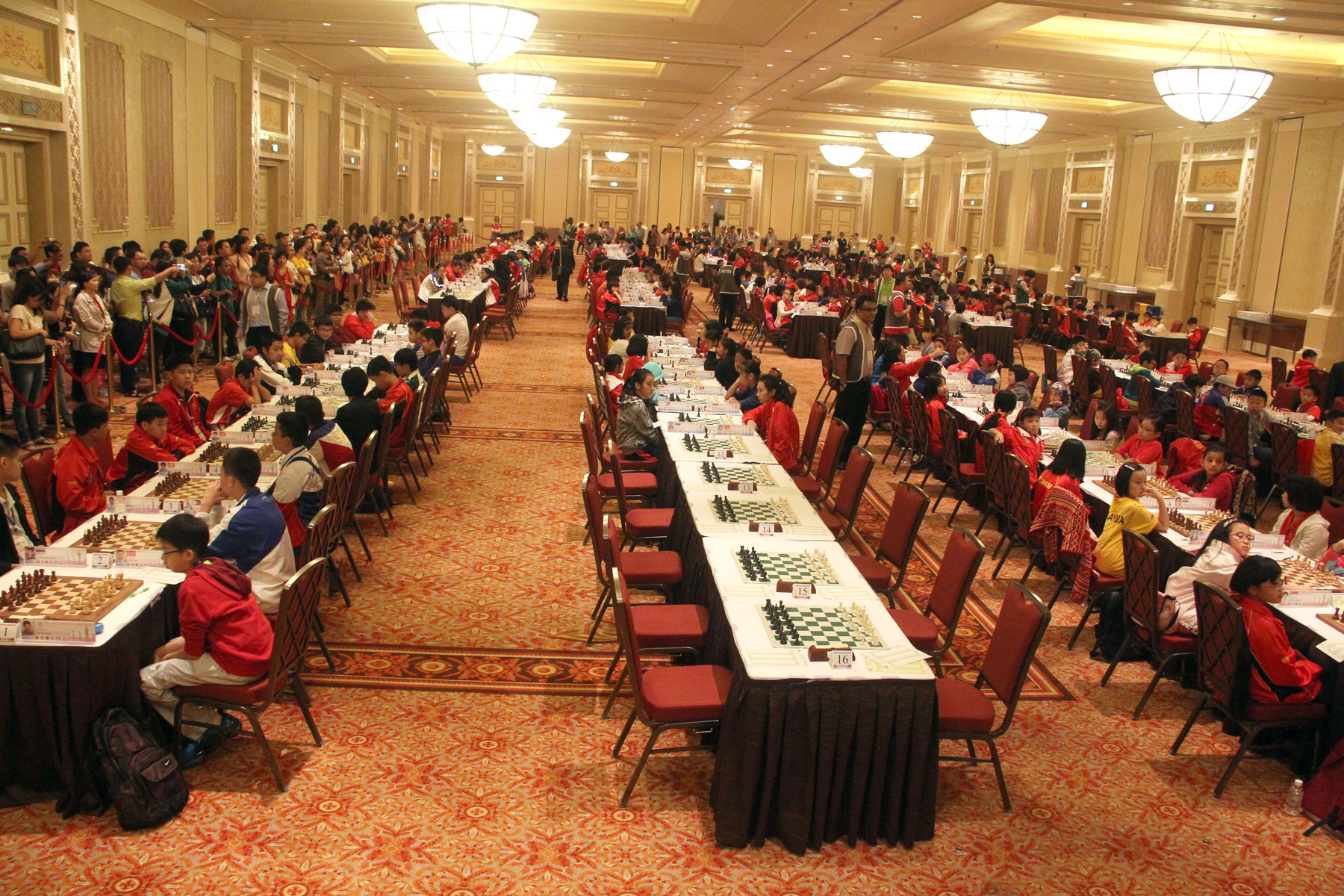
In 2014, the 15th edition was organised for the first time outside the ASEAN countries, in Macau. The event represented an important milestone in the international development of the championship.
By this period, the championship had firmly established its multi-format structure, with Standard, Rapid and Blitz competitions forming an important part of the programme.
At the 17th edition in Thailand in 2016, the championship continued to feature all three time controls — Standard, Rapid and Blitz. This multi-format structure has remained one of the defining characteristics of the ASEAN+ Age Group Chess Championships.
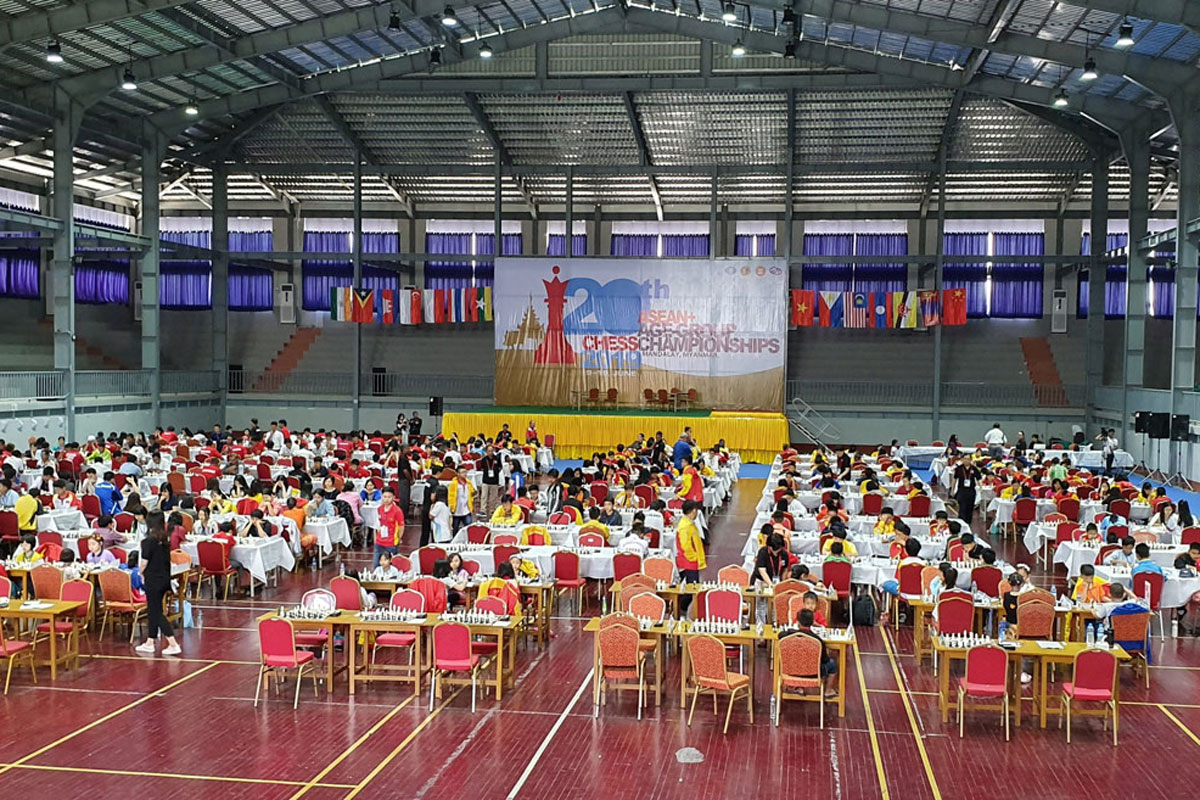
In 2019, the tournament expanded its programme with additional categories, including Open and Girls U6 and Men and Women U30, U40 and U50. The 20th edition, held in Mandalay, Myanmar, attracted more than 400 players and represented another high point in the development of the championship.
In 2020, the 21st edition was scheduled to be held in Viet Nam. However, the tournament could not take place because of the COVID-19 pandemic. The championship consequently remained off the calendar for three years.
In November 2022, representatives of the ACC member federations met in Jakarta, Indonesia, and agreed to revive the championship. The 21st ASEAN+ Age Group Chess Championships was subsequently held in Bangkok, Thailand, in June 2023, attracting 349 players from 15 federations. It was the first edition following the pandemic interruption.
In 2024, the 22nd edition was held in Vientiane, Laos — the first time Laos had hosted the ASEAN+ Age Group Chess Championships. With 186 players from 10 federations, it was the smallest edition in two decades, but it was nevertheless historically significant as Laos joined the group of ASEAN countries that had hosted the championship.
In 2025, the 23rd edition was held in Penang, Malaysia. The championship marked a strong resurgence in regional participation, attracting 379 players from 21 federations. FIDE Direct Titles were also reinstated, restoring an important feature of the championship's historical title system.
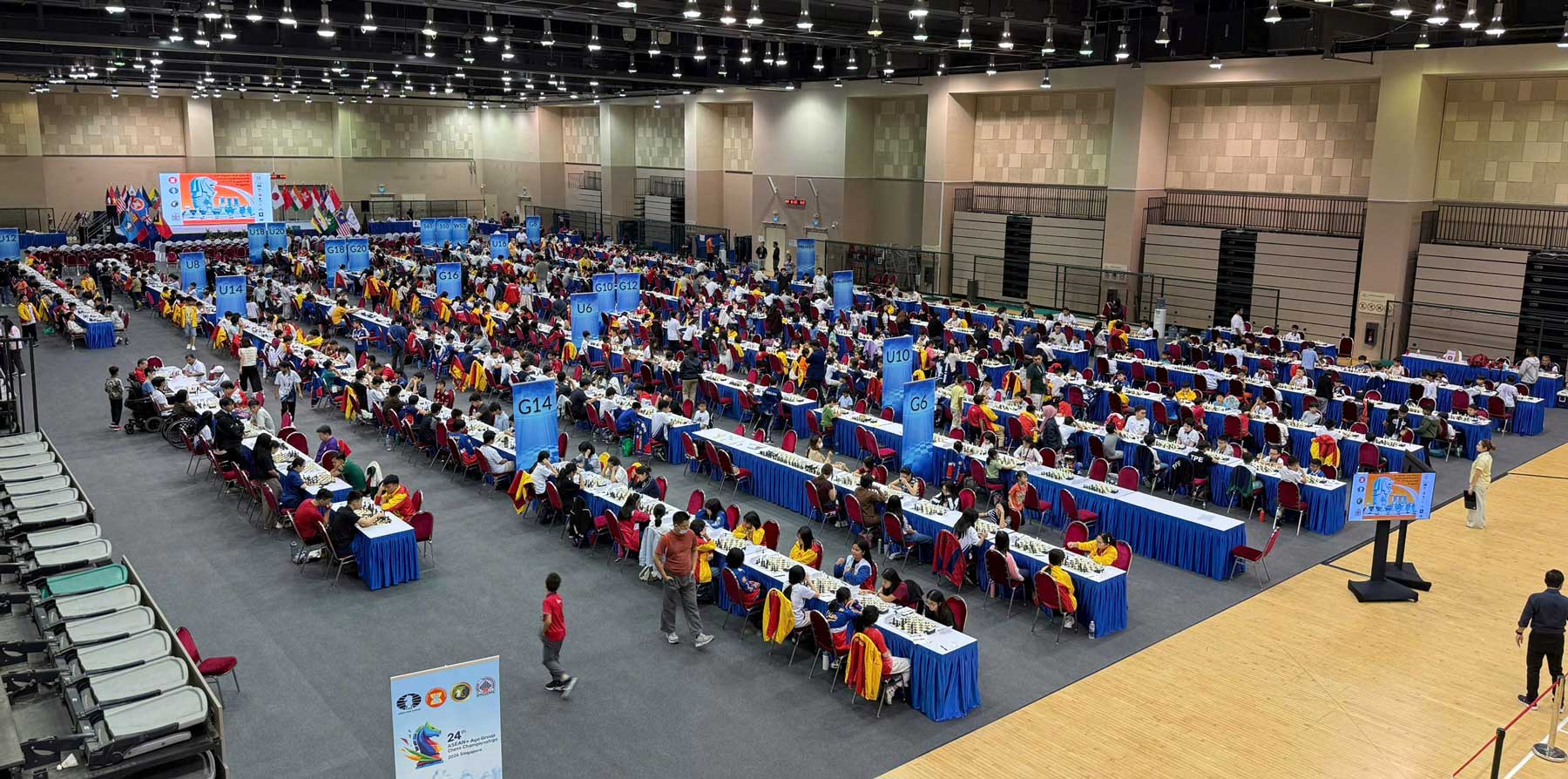
In 2026, the 24th edition returned to Singapore and set a new participation record for the championship. The event attracted 738 players from 26 federations, making it by far the largest ASEAN+ Age Group Chess Championships ever held.
The 2026 edition also introduced two new Open sections for players aged 20 to under 50: Premier for players rated 2000 and above, and Challengers for players rated below 2000. The two sections attracted 37 and 51 players respectively, expanding the championship beyond its traditional focus on junior and senior age groups.
Direct FIDE titles have been an important feature of the ASEAN+ Age Group Chess Championships since their introduction in 2003. Over the years, the title regulations have evolved in accordance with changes to the FIDE title system.
For many years, successful players in eligible age groups could earn direct FIDE titles or title norms through their results in the championship, subject to the applicable FIDE regulations and rating requirements.
The reinstatement of Direct Titles in 2025 restored title opportunities in a number of age groups. Under the regulations for the 23rd edition, eligible winners and medalists in the U20, U18, U16, U14, U12, U10 and U8 categories could receive FIDE titles or title norms, subject to the applicable requirements and rating thresholds.
The 2026 edition continued and further developed the direct-title system. The regulations provided direct-title opportunities in the U20, U18, U16, U14, U12, U10 and U8 categories, together with provisions for the Seniors 50+ and 65+ categories.
The title system has helped make the ASEAN+ Age Group Chess Championships more than simply a regional youth competition. It has also provided a pathway through which talented players can obtain internationally recognised FIDE titles and take an important step towards the international chess arena.
One of the most distinctive traditions of the ASEAN+ Age Group Chess Championships is the Social Night. This special event gives players, coaches, arbiters, officials and accompanying persons an opportunity to meet and interact outside the playing hall.
Participating delegations traditionally contribute artistic performances, creating a lively and friendly atmosphere. The Social Night has become a symbol of friendship, cultural exchange and cooperation among the chess communities of the participating countries and territories.
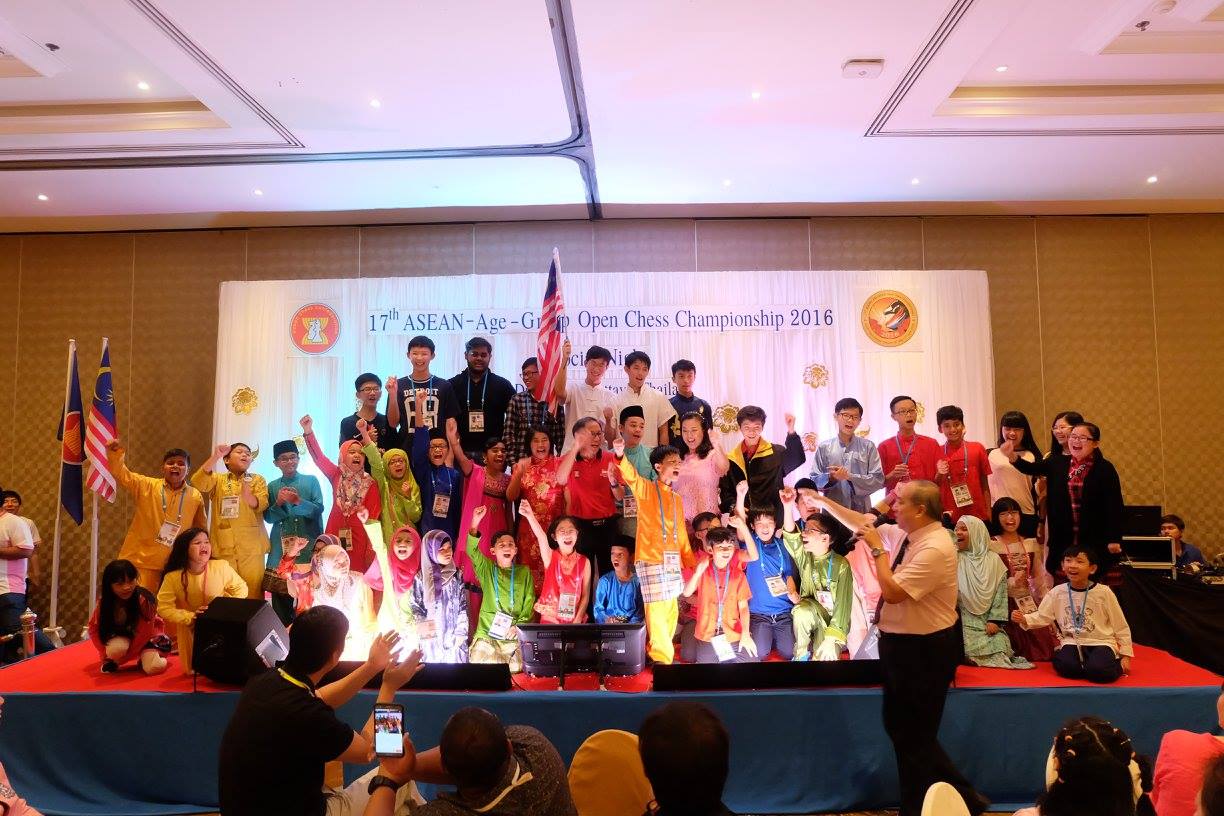 A performance by the Malaysian team at the Social Night of the 17th edition
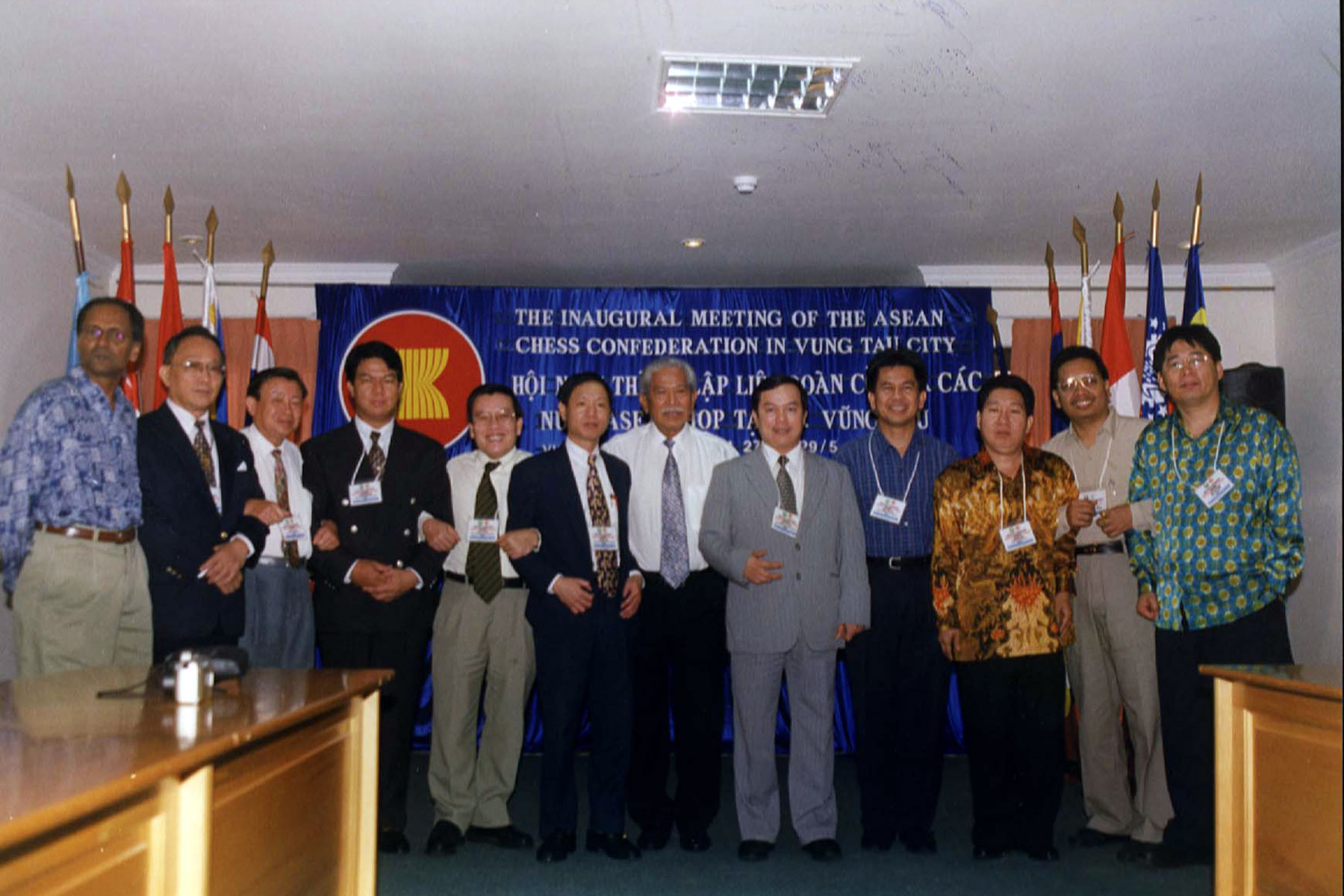 The inaugural meeting of the ACC in Vung Tau city, May 29th 2000
The ASEAN Chess Confederation was established in the context of the inaugural championship in Vung Tau in 2000. Since then, the ASEAN+ Age Group Chess Championships has developed together with the ACC and has become an important annual gathering for the chess federations of Southeast Asia and their partners beyond the region.
Over more than two decades, the championship has provided an international platform for several generations of young players. Many players who competed in the ASEAN+ Age Group Championships during their formative years subsequently developed into leading players at the Asian and world levels, including Wesley So, Le Quang Liem, Tin Jingyao, Pham Le Thao Nguyen, Vo Thi Kim Phung, Sukandar Irine Kharisma and many others.
The history of the championship is therefore not simply a record of venues, participation figures and medal winners. It is also a record of the development of chess in Southeast Asia, the expansion of regional cooperation, and the emergence of generations of talented players who have gone on to represent their countries at the highest levels of international chess.
As the ASEAN Chess Confederation enters a new era with a young and dynamic executive team and the message “Make ASEAN Chess Great Again”, the ASEAN+ Age Group Chess Championships is expected to continue playing a central role in the development of chess throughout the region.
The ambition is not only to strengthen chess within ASEAN, but also to establish the region as an important chess centre in Asia and to contribute more talented players to the global chess community.
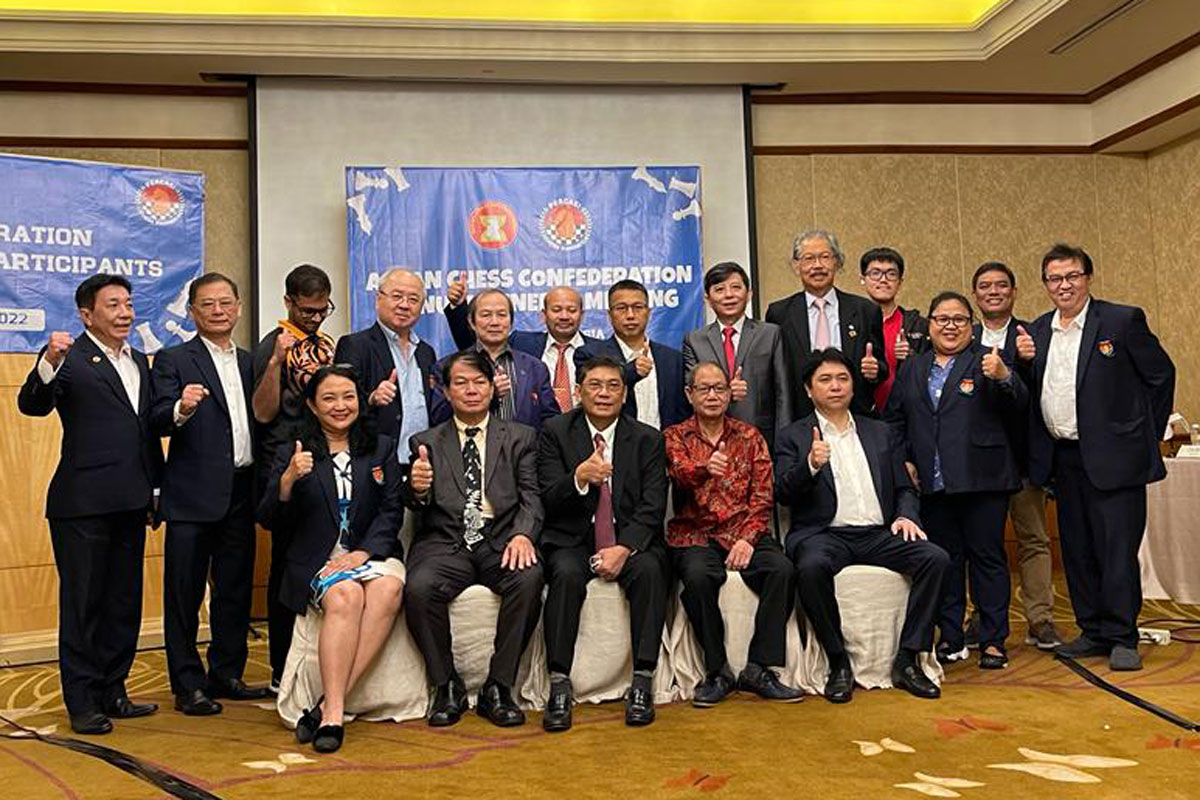 ACC meeting in Jakarta, November 19th, 2022
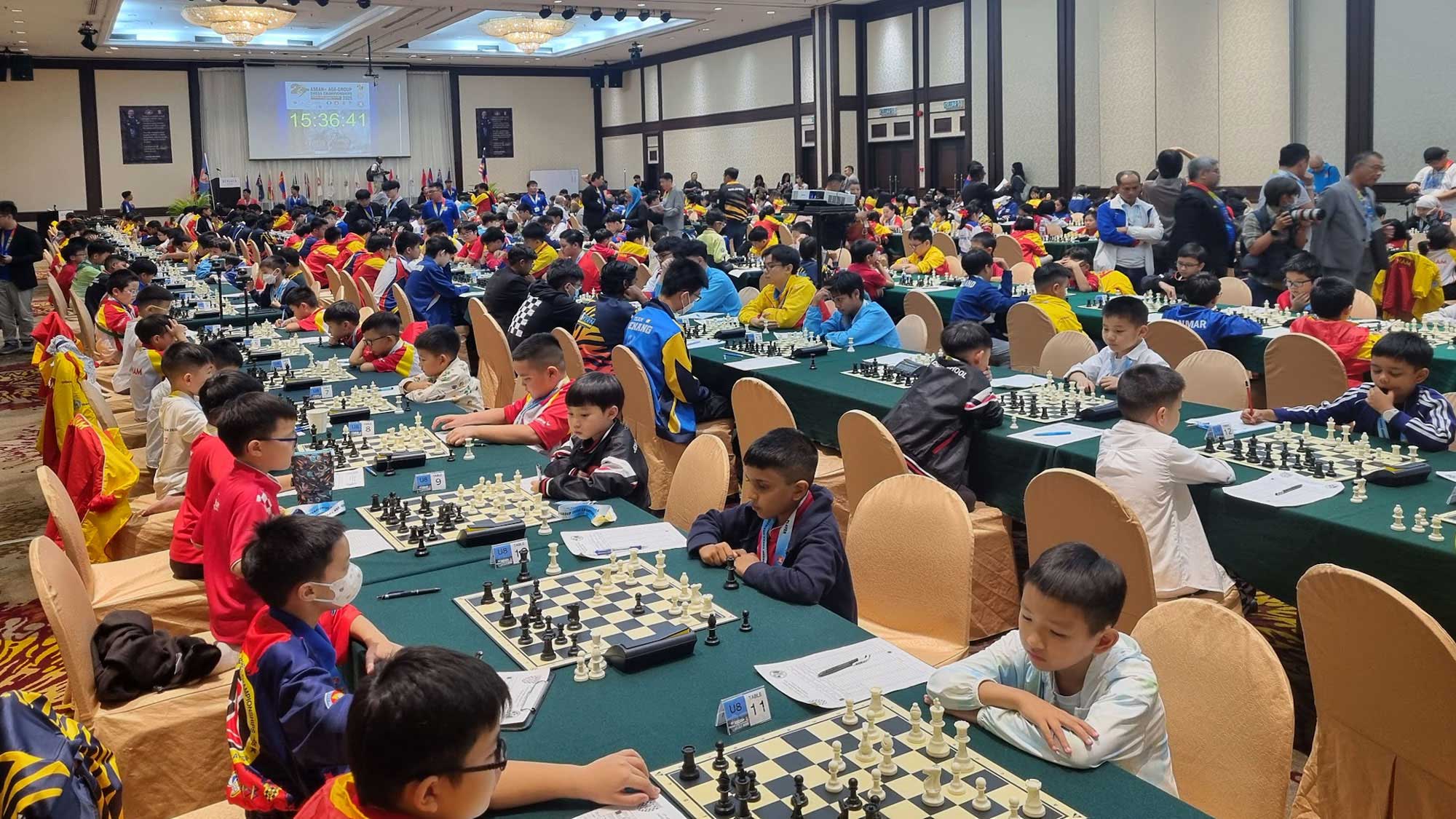 Asean+ Age Group 2025 in Penang, Malaysia
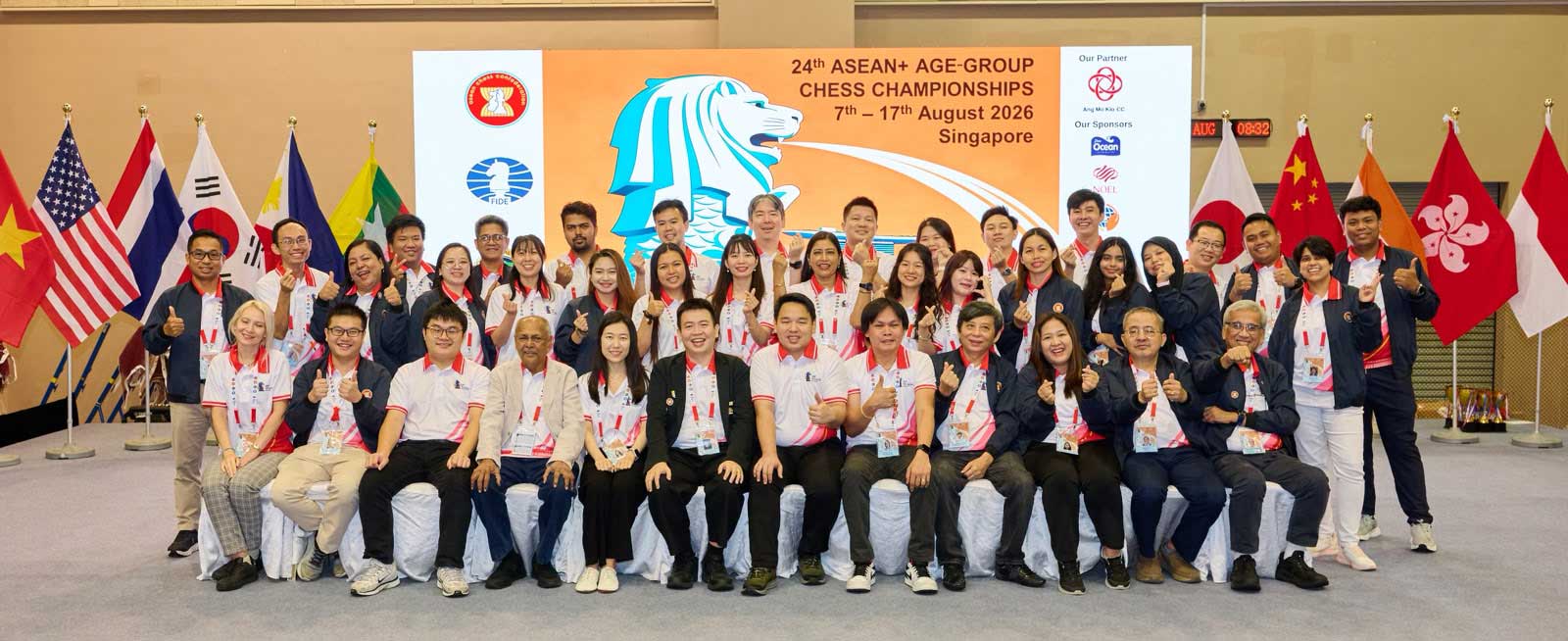 24th ASEAN+ Age group ITOs
In the next menu section, you will find detailed historical data about the championship, including the number of participating players, medal winners, medal tallies and cross tables. The database covers more than two decades of competition and contains thousands of individual medals and hundreds of cross tables. As with any large historical database, occasional errors may occur. If you find any incorrect information or have additional data that should be included, please contact Vietnamchess Admin at info@vietnamchess.vn so that the information can be checked and corrected.